



Coffin of the lady Hetepi
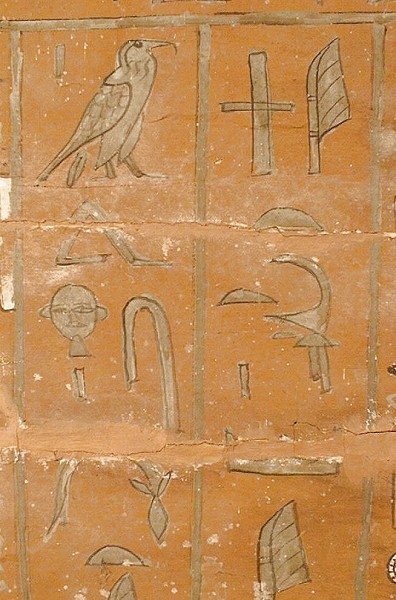
This wooden coffin, dating from the 12th Dynasty and found at Asiut, belonged to the lady Hetepi. It carries no decoration, except on the exterior surfaces. The scenes on the long sides represent Hetepi with his funerary offerings; they are surrounded by inscriptions which comprise offering formulae and ritual texts which inform us of the names of the products destined to be used by the deceased in the Afterlife. At the place of the head, one notic...es the two udjat-eyes which also decorate the coffin of Henou (see E.3035). The smaller sides contain representations of the four Sons of Horus, protective genii.
This wooden coffin, dating from the 12th Dynasty and found at Asiut, belonged to the lady Hetepi. It carries no decoration, except on the exterior surfaces. The scenes on the long sides represent Hetepi with his funerary offerings; they are surrounded by inscriptions which comprise offering formulae and ritual texts which inform us of the names of the products destined to be used by the deceased in the Afterlife. At the place of the head, one notic...es the two udjat-eyes which also decorate the coffin of Henou (see E.3035). The smaller sides contain representations of the four Sons of Horus, protective genii.
KMKG - MRAH
globalegyptianmuseum
globalegyptianmuseum


 , (TT359 and TT299).


